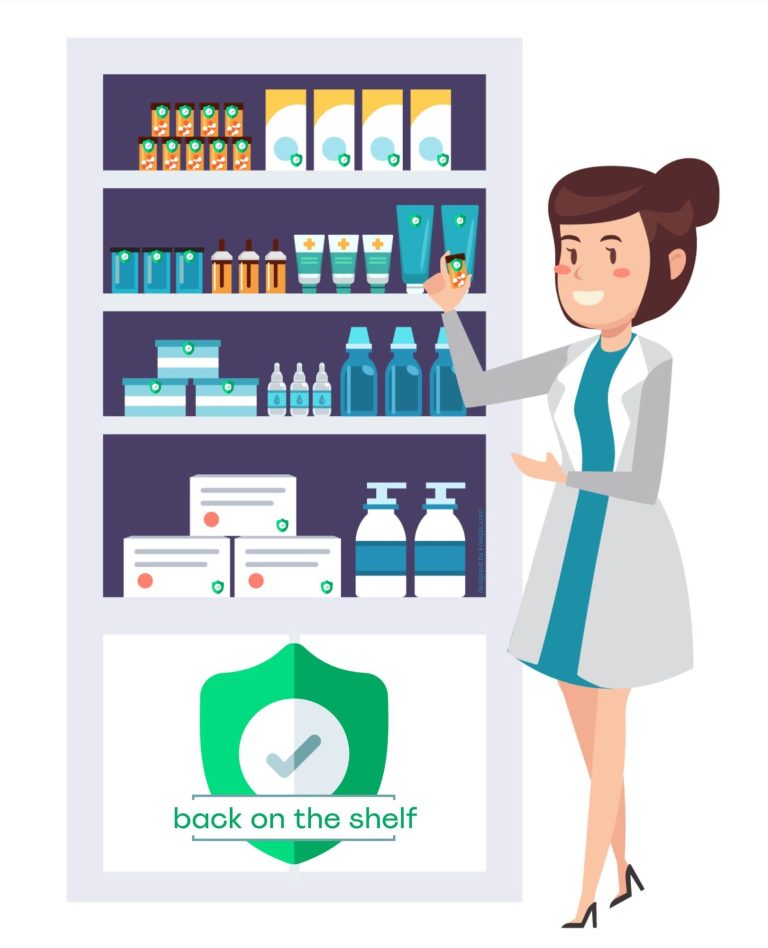
back on the shelf
"every medicine produced is meant to be used"
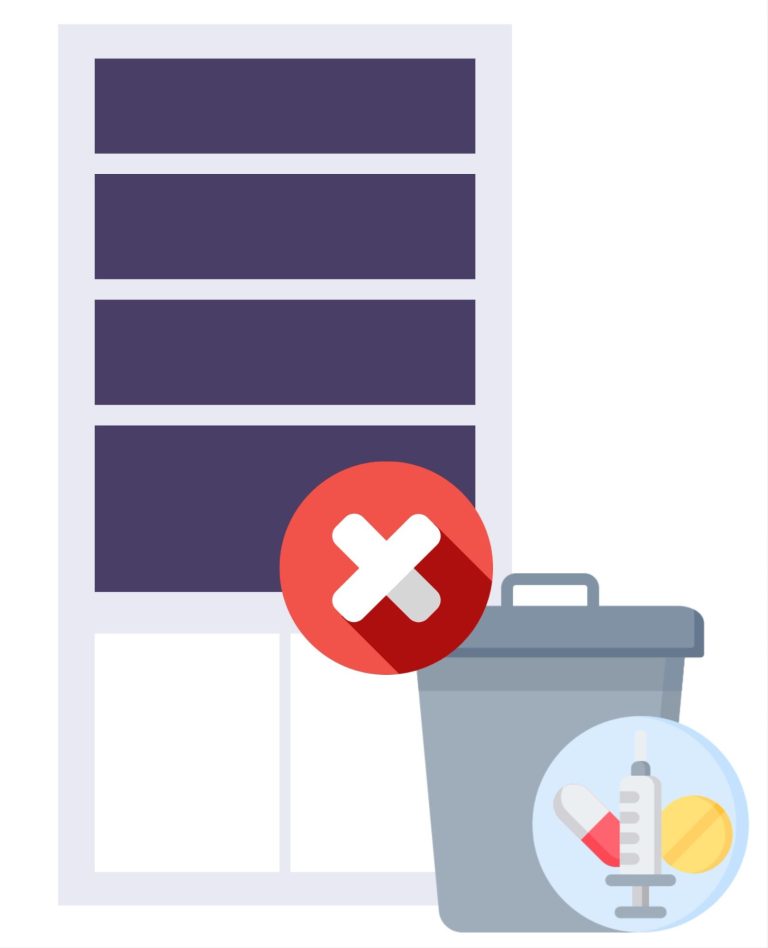
In pharmacies, hospitals, and healthcare institutions, many medications end up unused in the waste bin. This makes these medications useless. Moreover, it is expensive and harmful to the environment. And often unnecessary.
When medications are prescribed, the pharmacy labels them with the patient's name. When the patient ultimately does not (or no longer) need them, they are discarded. Even if they have not yet been in the patient's possession.
We believe that high-quality medications should be used to help patients and should be put back on the shelf, and not end up as waste.
collaborating to prevent unnecessary disposal of high-quality medication
Why are medicines thrown away unused?
Medicines are thrown away when they have reached their expiration date or when a patient no longer needs them. This is because they have a label with the patient's name on them.
As long as medicines are in the (hospital) pharmacy or in the medicine stock of an institution and the expiration date has not been exceeded, there is nothing wrong with the quality. Often even the box is still sealed.
The European medicine law stipulates that a medicine may only be issued to a patient once. With a label that bears the patient's name, the medicine may only be given to that specific patient. If that patient no longer needs it, the medicine is thrown away unused.
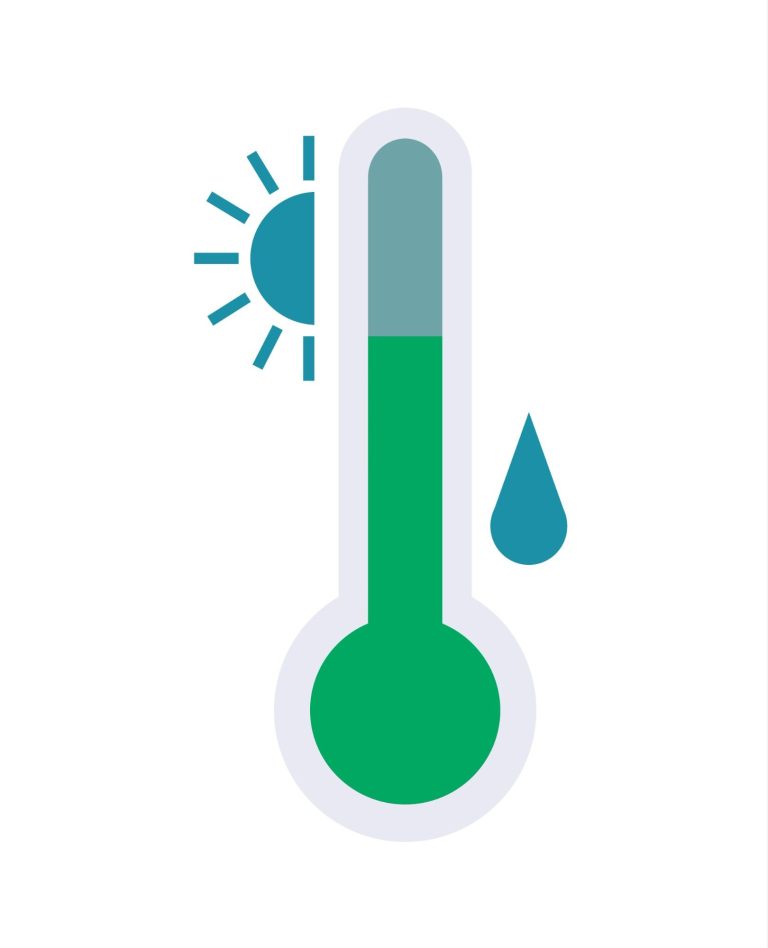
an estimated 70% of medicines stored at room temperature do not require specific storage conditions
No specific storage conditions? No risk!
Random samples of 250 medicines, both cheap and expensive, stored at room temperature, show that around 70% are stable enough to not require any specific storage conditions. This implicates that there is practically no risk of loss of quality if the medicine is still in the distribution chain.
In principle, these medicines could be safely allocated to another patient if the original patient does not need or no longer needs them.
If the medicine has not yet been issued to a patient (remained within the distribution chain), the risk of counterfeiting is also zero.
back on the shelf is a safe option and is good for the patient, the planet, the availability of drugs and is cost effective
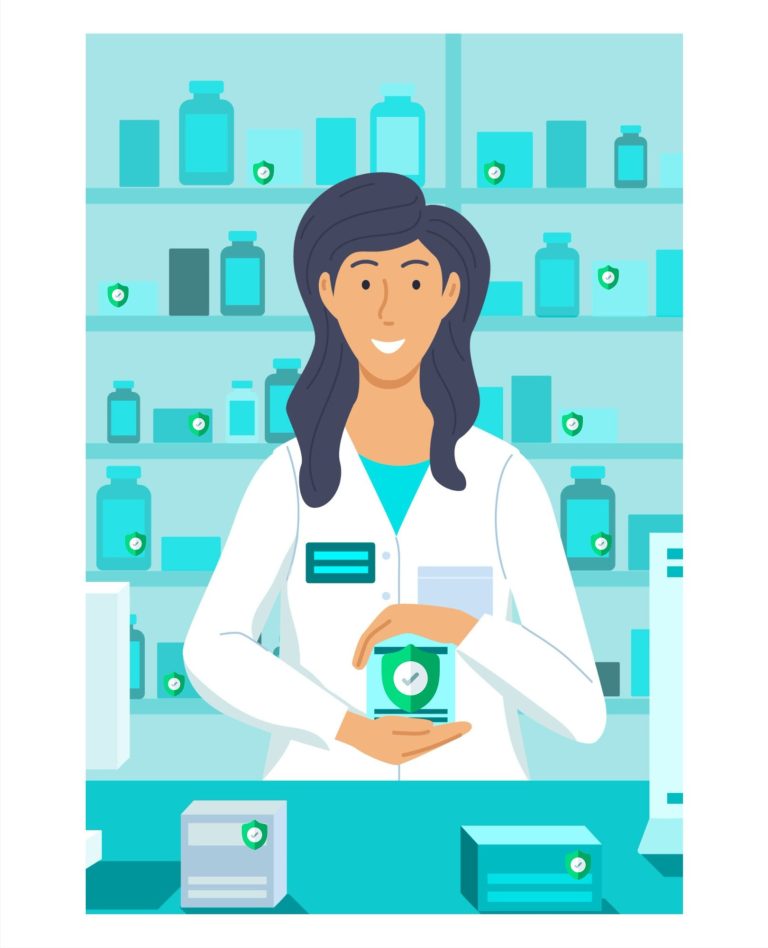
How can we make it happen?
Before medicines can be put back on the shelf, first it is important to check whether a medicine meets the criteria to be assigned to another patient.
A quality mark on the packaging can facilitate this process. This allows healthcare providers to determine immediately whether the product should be thrown away or whether it can be given to another patient.
In addition, we initially focus on medicines allocated to a patient that have always remained within the chain of the pharmacy, hospital, or institution.
For additional certainty regarding the integrity, we recommend that only unopened and sealed packages are put back on the shelf.
within the distribution chain with quality mark and intact seal? back on the shelf!
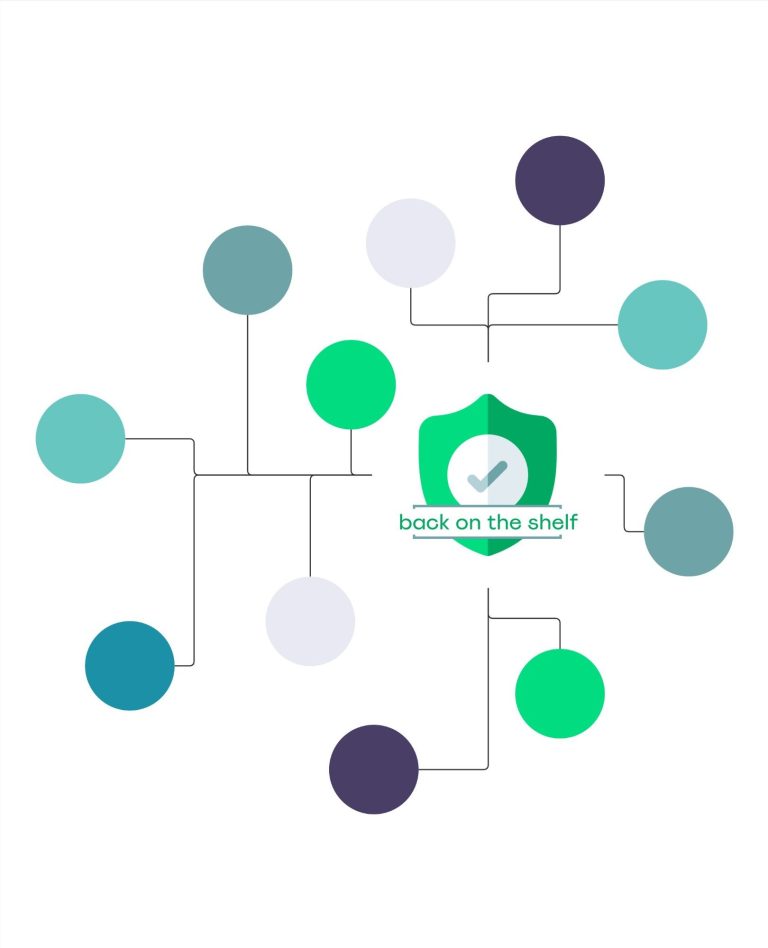
We want to use exisiting information and systems from public sources.
Our approach does not require additional stability research or stability checks. The stability information is already available in the summary of product characteristics (SmPC). This data is freely accessible via the EMA website.
We want to link these data to a visual quality mark to make it possible to put the unused package back on the shelf. Does the product have the quality mark and does it meet a number of strict criteria that have been agreed with the authorities? Then these medicines does not have to be thrown away and can serve its intended function. Because: "every medicine produced is meant to be used".
We are not there yet, but we are working hard to make this initiative possible. The Dutch authorities and the pharmaceutical industry are following us and are enthusiastic about our initiative. With backontheshelf.eu, we are now bringing this initiative to the rest of Europe.
an initiative of SPARCOS and GroenErwt-Transfarmacie
About us
The initiative for back on the shelf comes from Yvette Meijer and Marja Bogaards. With our broad experience and our joint network in the pharmaceutical and healthcare sector, we are happy to commit ourselves to better availability of medicines and to preventing medicine waste. The initiative back on the shelf is not for profit.
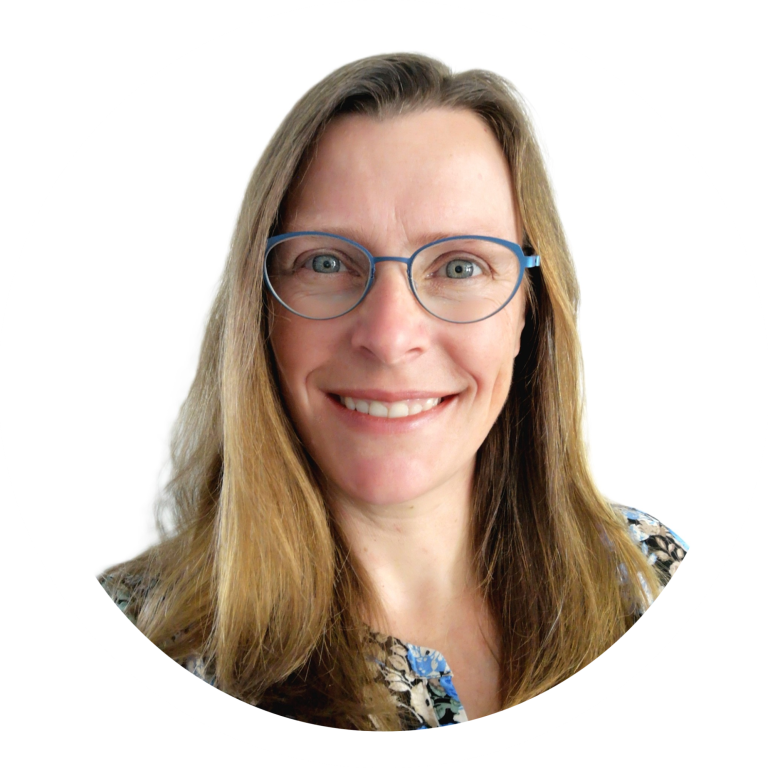
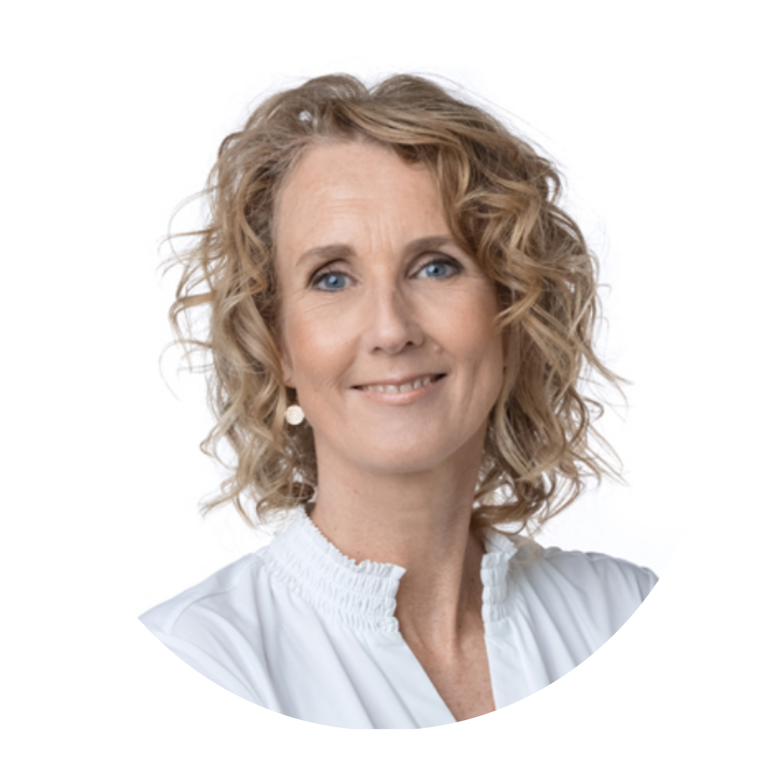
Yvette Meijer
Senior Pharma Professional &
Transition Facilitator
Yvette has an Msc. in Pharmacy and has over 20 years of experience in the pharmaceutical industry. With her company SPARCOS she brings her knowledge and experience to other players in the pharmaceutical sector.
Yvette is a certified workshop facilitator and brings together different disciplines.
Her mission? Improving the quality of life.
Marja Bogaards
Hospital Pharmacist &
Transition Manager
Marja is a registered hospital pharmacist with 25 years of experience in various hospitals. She is also committed to a sustainable pharmaceutical care chain with GroenErwt-Transfarmacie.
Marja is a transition manager and connects developments and innovations to accelerate the transition in pharmacy.
Her motto? Spill no pill!

we are consulting with the authorities and the industry to put medicines back on the shelf
Together we can make it happen
We cannot do this alone. That is why we invited various stakeholders to think along with us. The reactions to our initiative have been positive. In a time of scarcity, significant medicine shortages and a strong focus on sustainability, many are interested in our initiative.
We are currently discussing with various Dutch parties, including:

Do you also want to contribute? That is possible! Contact us for more information.
every medicine produced is meant to be used
Frequently Asked Questions
Of course, we also receive questions. We are happy to answer them. Below you will find a number of frequently asked questions, for other questions you can contact us.
Does back on the shelf have a profit motive?
No, we do not have a profit motive. What we want, is that medicines that have been produced are actually used and that they are therefore not thrown away unused. This improves availability, reduces costs and benefits the environment.
Isn't reissue against the law?
In the way we want to put medicines back on the shelf, there is no question of reissue. After all, the medicine has not yet been issued to the patient, but only registered in the patient's name. It is still in the distribution chain. Therefore, the risk of loss of quality is zero.
Who or what determines whether a medicine receives the quality mark?
The quality mark is issued based on the stability information of the medicine available in the SmPC. We are in consultation with the authorities, the industry, and other parties to determine exactly how this process should be designed.
Who can put a medicine back on the shelf?
Determining whether a medicine can be put back on the shelf is done based on the presence of the quality mark and the seal (only unopened packages are eligible). This can be done by (hospital) pharmacists and their assistants, but also by, for example, nursing staff in an institution.
All information we share is based on public sources that we consider reliable. We make every effort to ensure that this information is current and correct at the time of publication. However, we make no warranties or representations as to the completeness, accuracy, or reliability of the information. No rights can be derived from this information.
We reserve the right to change or update the information at any time without prior notice. The use of the information provided is entirely at the user's own risk. We accept no liability for any loss or damage resulting from the use of this information.
Back on the shelf is a based on the Dutch initiative “terug op de plank” and therefore Dutch law is applicable.
© Copyright terugopdeplank.nl 2024. Alle rechten voorbehouden.
We hebben je toestemming nodig om de vertalingen te laden
Om de inhoud van de website te vertalen gebruiken we een externe dienstverlener, die mogelijk gegevens over je activiteiten verzamelt. Lees het privacybeleid van de dienst en accepteer dit, om de vertalingen te bekijken.